Calendula / Marigold
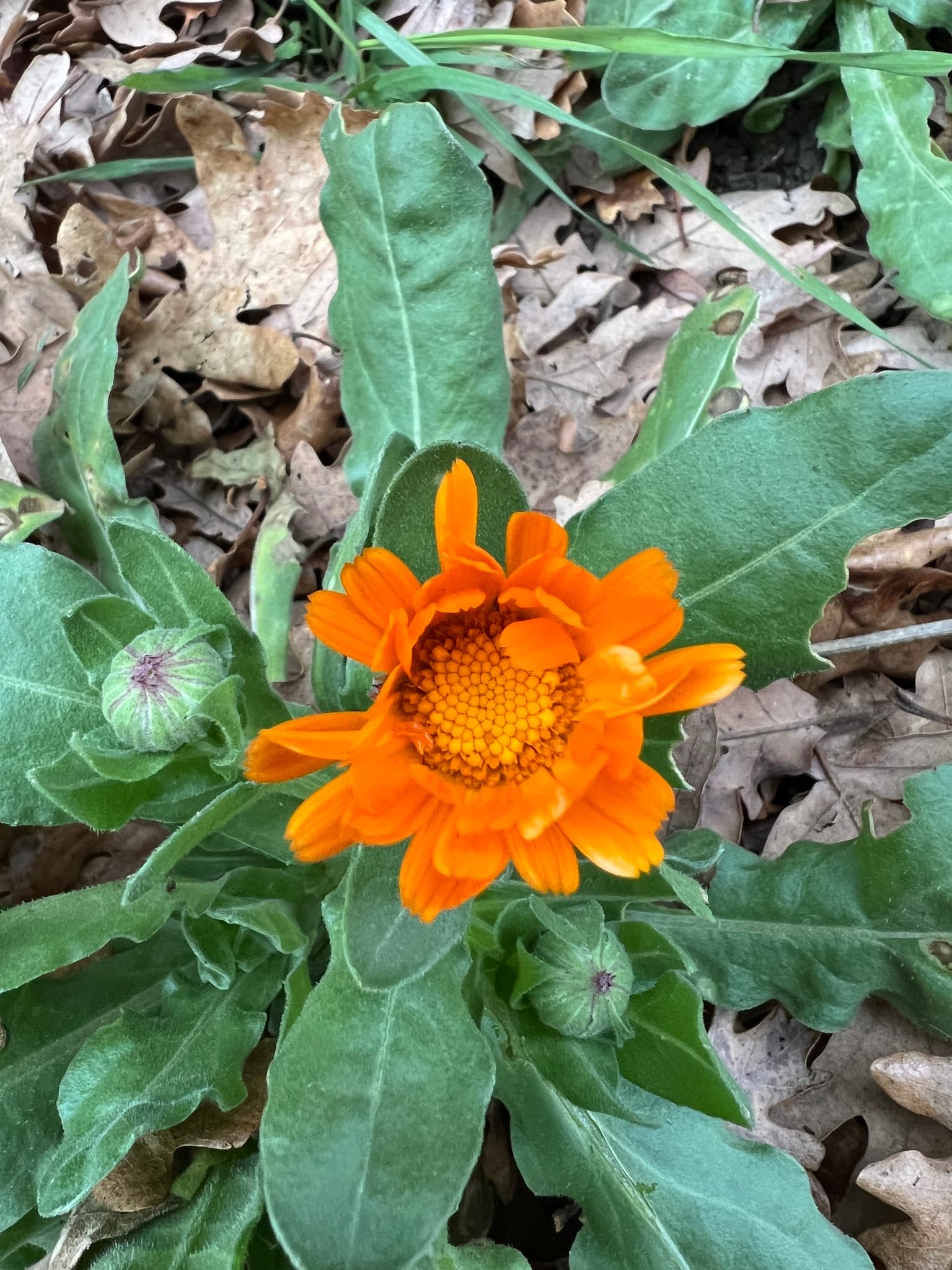
Image: anthov (cc-by-nc)
NameCalendula / Marigold
Scientific NameCalendula officinalis
Common NamesCalendula, Pot Marigold, Garden Marigold, Ruddles
Plant FamilyAsteraceae
Natural HabitatNative to southwestern Asia, western Europe, Macaronesia, and the Mediterranean region. It is widely cultivated in gardens globally and can often be found naturalized in disturbed soils, fields, and along roadsides.
Parts Usedflower,leaf
Medicinal Actionsanti-inflammatory, antimicrobial, antioxidant, astringent, demulcent
Traditional UsesTraditionally, Calendula is used topically for its remarkable wound-healing properties, treating minor cuts, scrapes, burns, rashes, and skin irritations. Internally, it has been employed to support lymphatic drainage, soothe digestive inflammation, and as a mild detoxifier.
Active ConstituentsFlavonoids, Triterpene saponins, Carotenoids, Volatile oils, Polysaccharides
Preparation Methodsinfusion, decoction, tincture, poultice, salve, powder
Contraindications & WarningsIndividuals with allergies to plants in the Asteraceae family (e.g., ragweed, daisies, chrysanthemums) should use with caution. Not recommended during pregnancy or breastfeeding without professional medical advice. May theoretically interact with sedative medications or blood thinners, though evidence is limited.
Cultivation NotesCalendula is very easy to grow from seed, preferring full sun and well-drained soil. It is tolerant of various soil types and can thrive with minimal care. Deadheading spent flowers encourages continuous blooming throughout the growing season.
Raritycommon
Description
Calendula officinalis is an annual herbaceous plant characterized by its vibrant orange or yellow daisy-like flower heads and oblong-spathulate, slightly hairy leaves. It typically grows to a height of 30-60 cm, producing flowers continuously from spring until the first frost.