Caiophora andina
NameCaiophora andina
Scientific NameCaiophora andina
Common NamesOrtiga Brava, Churco
Plant FamilyLoasaceae
Natural HabitatNative to high-altitude Andean regions (puna, rocky slopes, sandy areas) in South America, including Peru, Bolivia, Chile, and Argentina, typically found above 3000 meters.
Parts Usedwhole_plant,leaf
Medicinal Actionsanalgesic, anti-inflammatory, diuretic
Traditional UsesTraditionally used in Andean folk medicine, primarily externally as a poultice for rheumatic pains, arthritis, and muscle aches, leveraging its stinging properties for counter-irritation. Internally, it has been used as a diuretic and for certain respiratory conditions.
Active ConstituentsAlkaloids, Flavonoids, Triterpenes, Irritant compounds (in stinging hairs)
Preparation Methodspoultice, infusion, decoction
Contraindications & WarningsDirect skin contact can cause significant irritation and stinging due to the glochids. Internal use should be approached with caution, especially for pregnant or nursing individuals, or those with sensitive digestive systems. Avoid contact with eyes and mucous membranes.
Cultivation NotesRequires a very specific high-altitude, cold-tolerant environment with excellent drainage and full sun. Extremely challenging to cultivate outside its native Andean habitat.
Rarityuncommon
Description
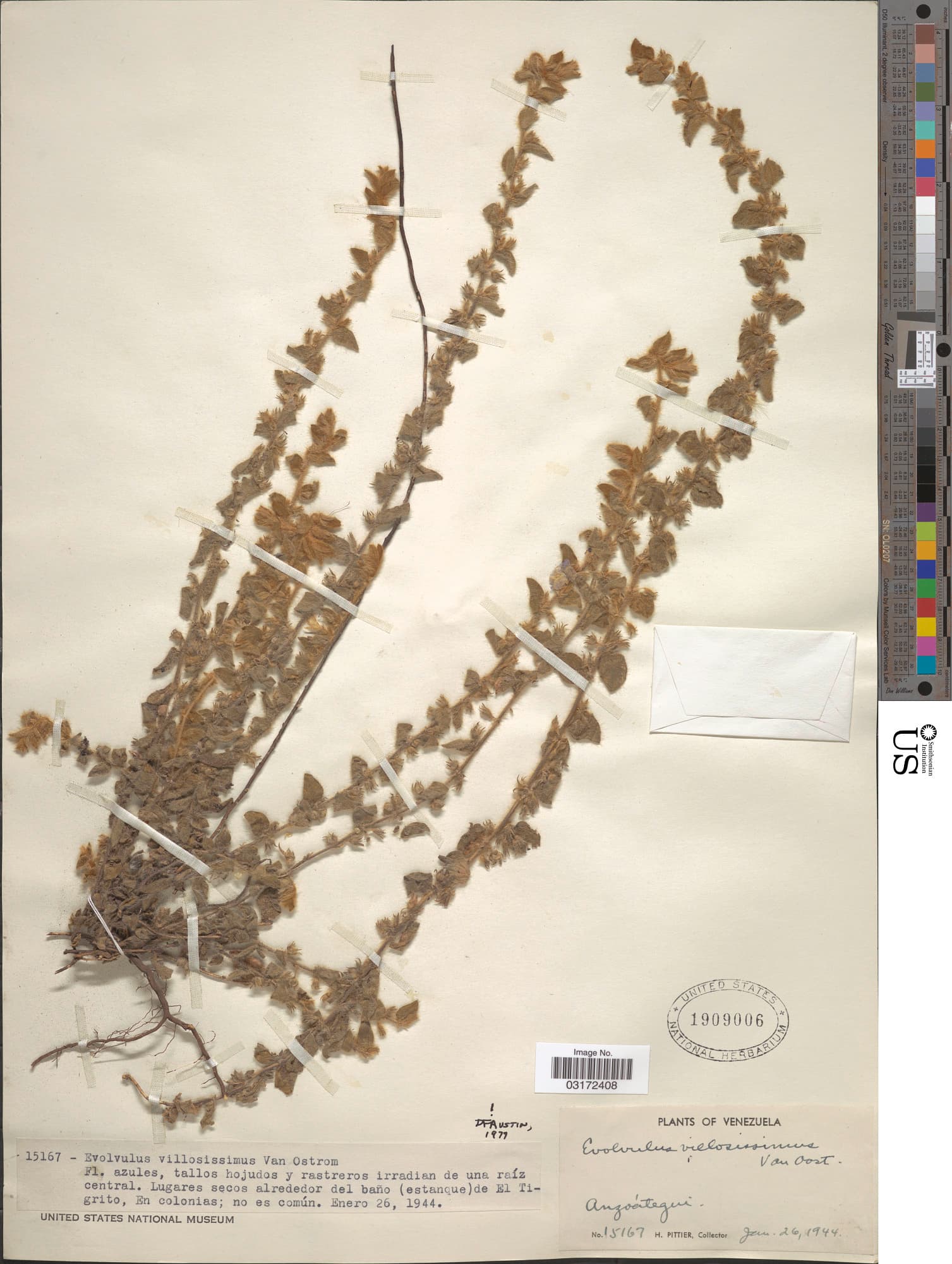
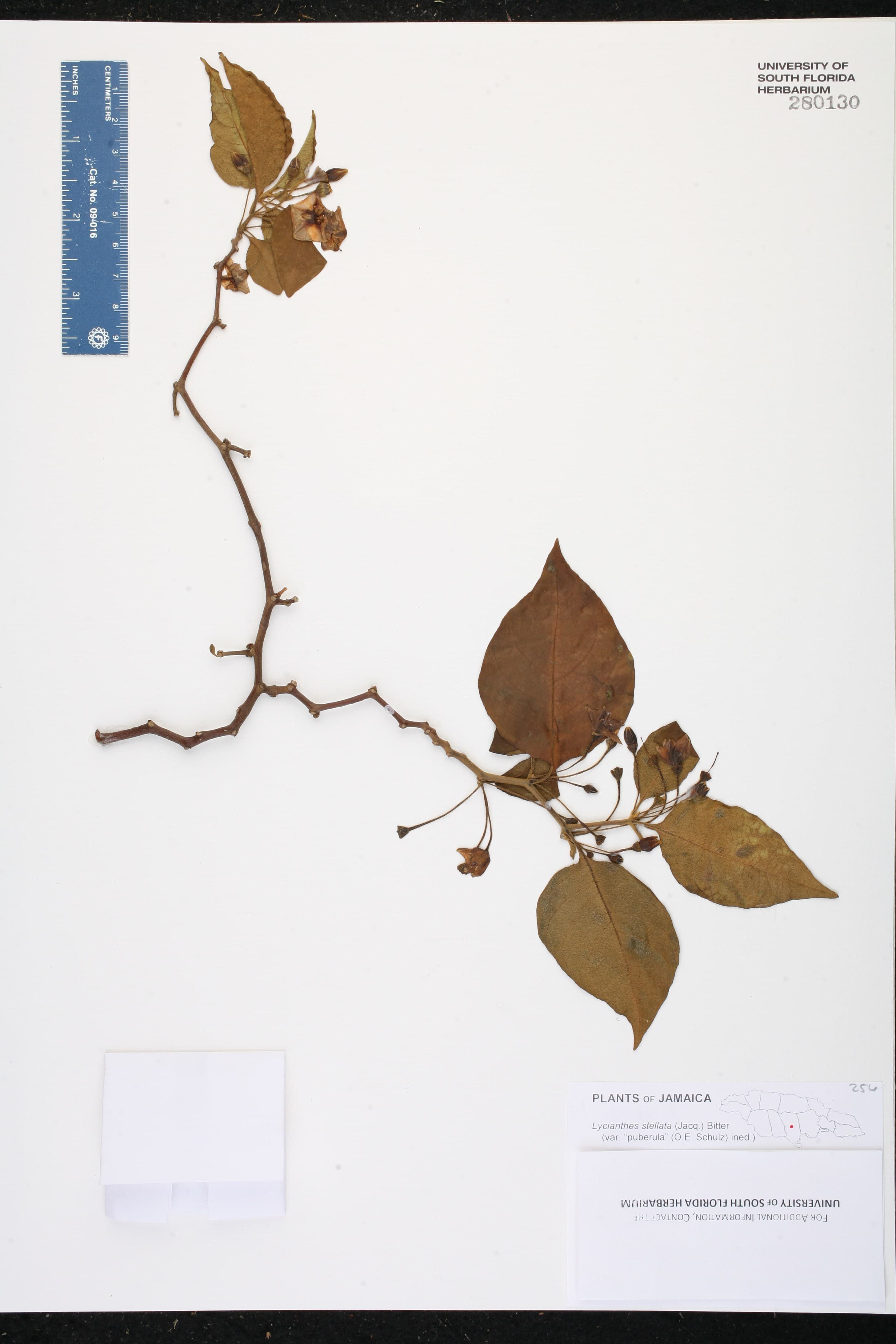
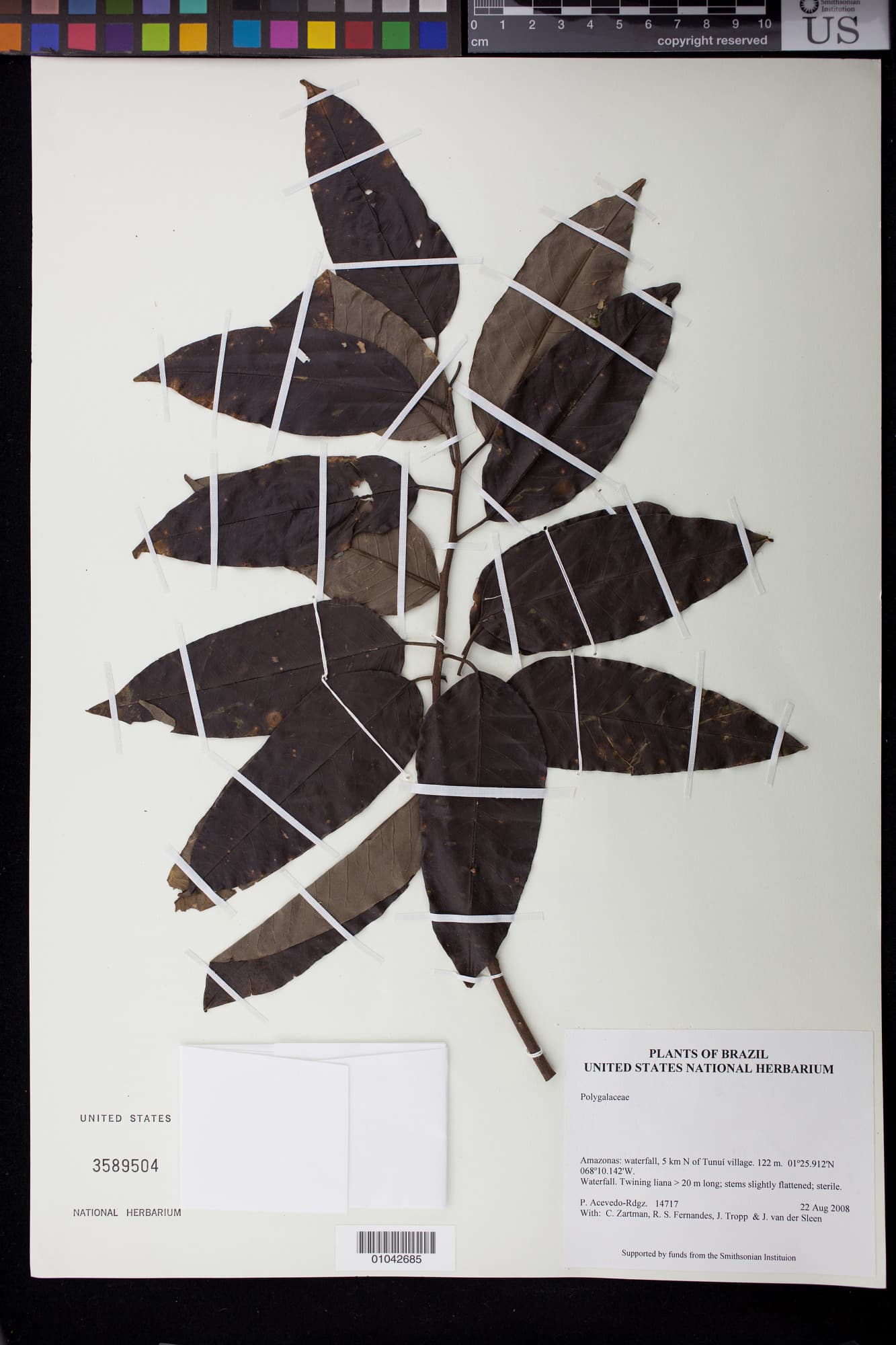
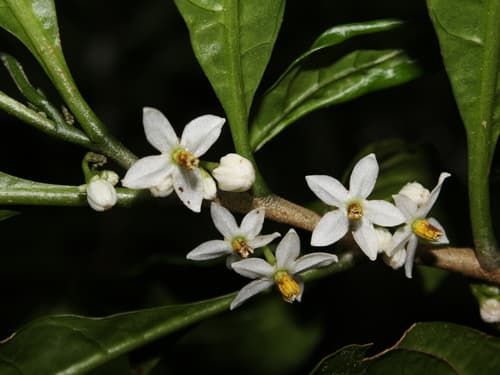
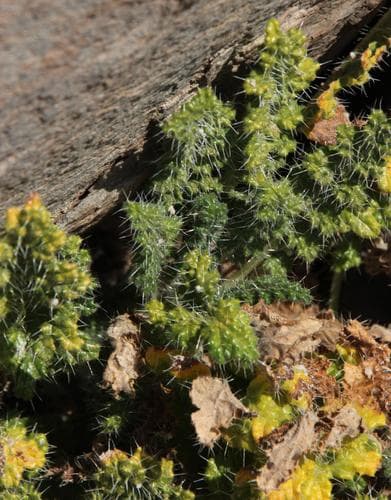
Caiophora andina is a low-growing, perennial herbaceous plant native to the high Andes, characterized by its dense covering of stinging hairs (glochids) on its small, often lobed leaves and stems. It typically forms cushions or mats, adapting to harsh alpine environments.