Cacao
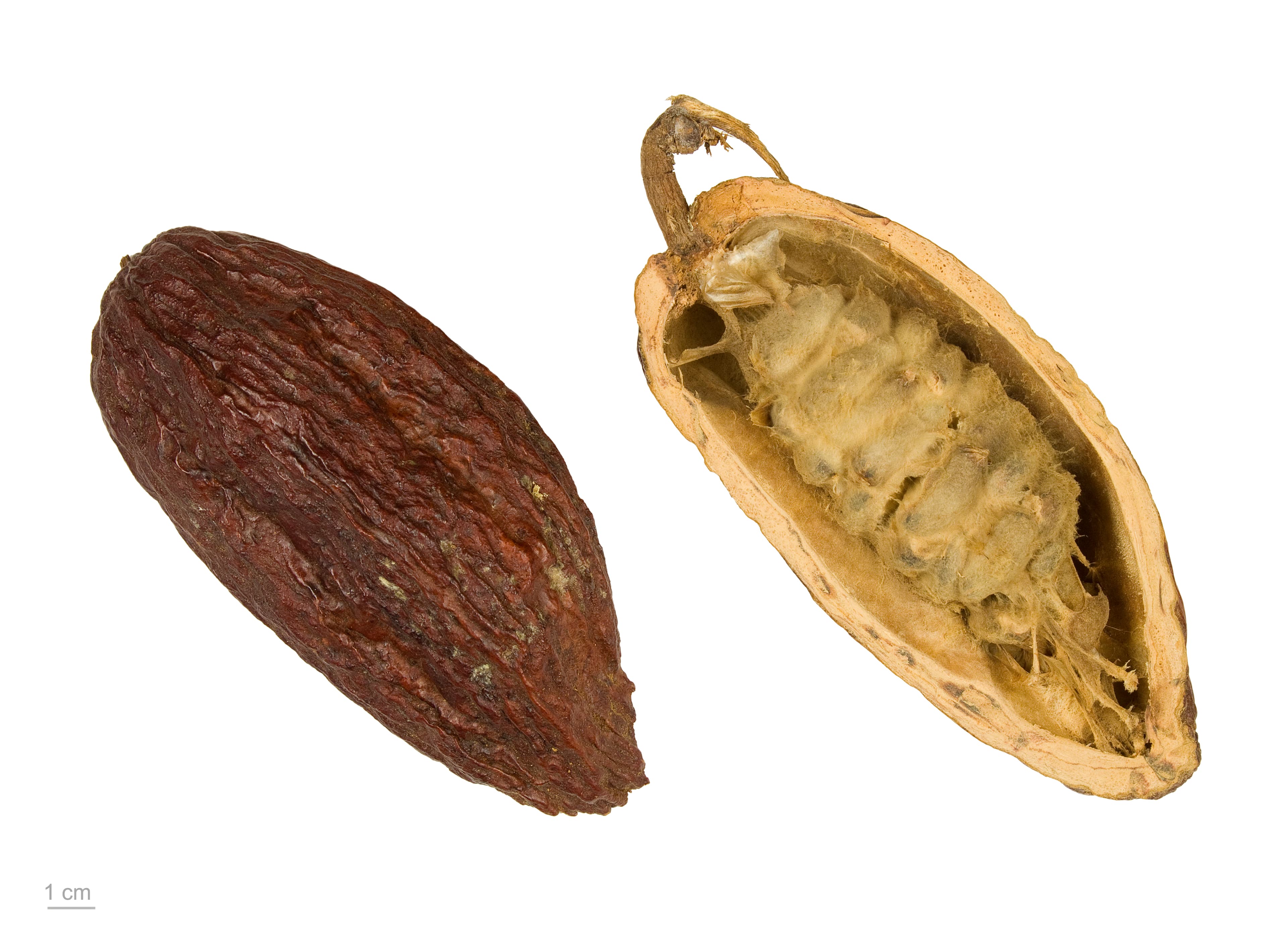
Image: Roger Culos (CC BY-SA 3.0)
NameCacao
Scientific NameTheobroma cacao
Common NamesCacao, Cocoa Tree, Chocolate Tree
Plant FamilyMalvaceae
Natural HabitatNative to the tropical rainforests of Central and South America, cacao thrives in the humid understory. It prefers warm temperatures, high humidity, consistent rainfall, and well-drained, fertile soil.
Parts Usedseed,fruit
Medicinal Actionsanti-inflammatory, antioxidant, diuretic, nervine
Traditional UsesTraditionally, cacao was revered by ancient Mesoamerican civilizations as a sacred food and medicine. It was used to combat fatigue, improve mood, and as a general tonic. The fermented and roasted seeds were ground into a paste to make a stimulating and nourishing beverage.
Active ConstituentsTheobromine, Caffeine, Flavonoids, Anandamide, Tryptophan
Preparation Methodsinfusion, decoction, powder
Contraindications & WarningsHigh consumption may lead to nervousness, insomnia, and increased heart rate due to its stimulant content (theobromine and caffeine). Individuals sensitive to stimulants or with heart conditions should use with caution. May interact with certain medications.
Cultivation NotesCacao requires a tropical climate with temperatures between 20-30°C, high humidity, and protection from strong winds and direct sun, especially when young. It prefers rich, well-drained soil and benefits from regular watering.
Raritycommon
Description
Theobroma cacao is a small evergreen tree that produces large, ovoid to oblong pods directly from its trunk and branches (cauliflory). These pods contain 20-60 seeds, known as cacao beans, embedded in a sweet, mucilaginous pulp.