Boldo
Image: Bruno Avilez (cc-by)
NameBoldo
Scientific NamePeumus boldus
Common NamesBoldo, Chilean Boldo
Plant FamilyMonimiaceae
Natural HabitatNative to the central regions of Chile, Boldo thrives in dry, rocky, and sunny areas, typically found in Mediterranean-type climates. It is often part of the sclerophyllous forest and scrubland ecosystems.
Parts Usedleaf,fruit,bark
Medicinal Actionsanti-inflammatory, antimicrobial, antioxidant, diuretic
Traditional UsesTraditionally, Boldo leaves are used to support liver and gallbladder function, acting as a choleretic and cholagogue to aid digestion, particularly after fatty meals. It is also employed for mild digestive complaints, as a diuretic, and for urinary tract issues.
Active ConstituentsBoldine, Ascaridole, Flavonoids, Essential oils
Preparation Methodsinfusion, tincture, powder
Contraindications & WarningsBoldo is contraindicated in cases of bile duct obstruction, severe liver disease, kidney disease, and during pregnancy or lactation. It may interact with anticoagulant medications due to its coumarin content.
Cultivation NotesBoldo prefers a Mediterranean climate with full sun exposure and well-drained soil. It is drought-tolerant once established and can be propagated from seeds or cuttings, requiring minimal care.
Raritycommon
Description
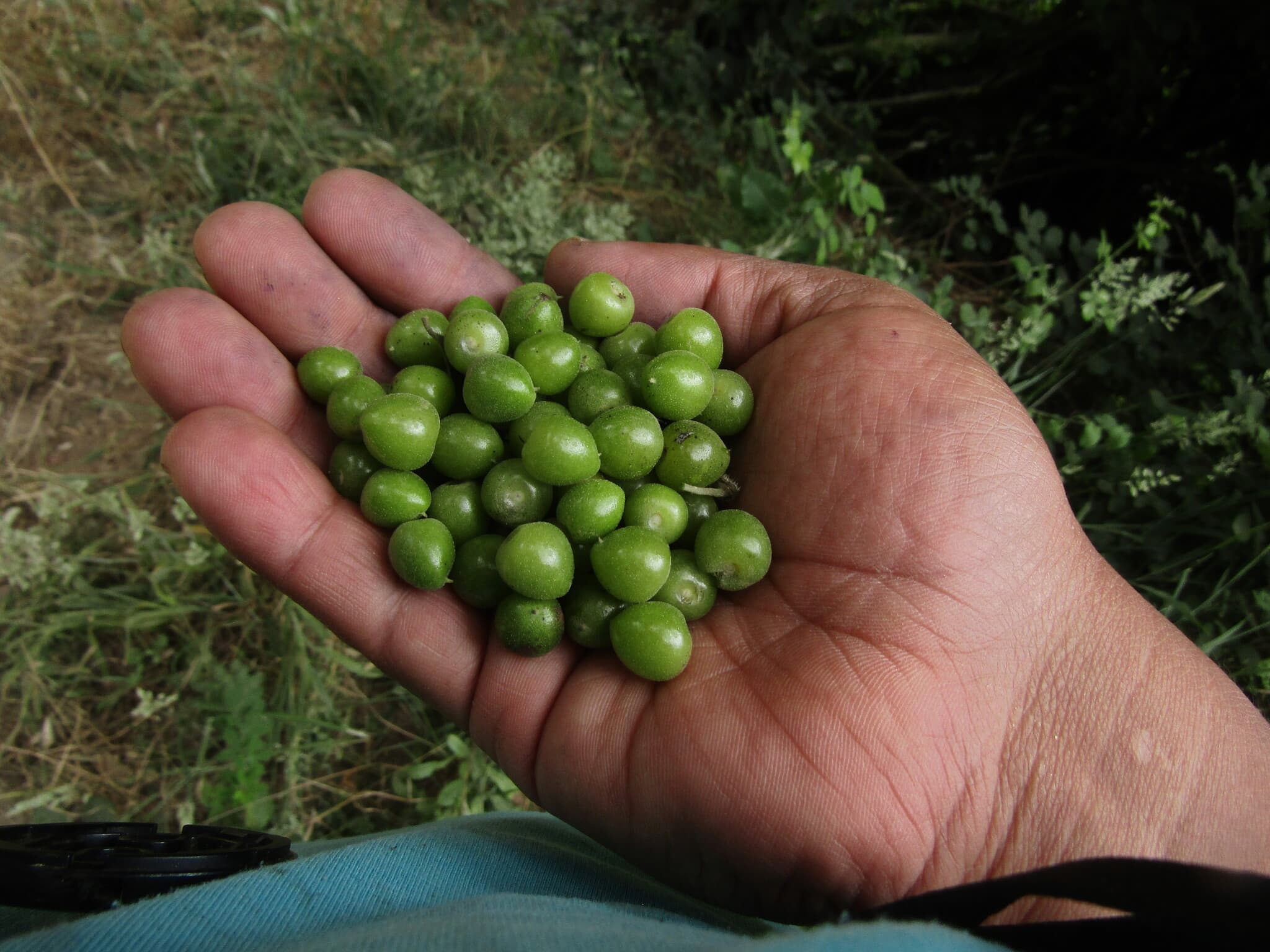
Boldo is an evergreen shrub or small tree native to Chile, characterized by its aromatic, leathery, oval leaves. It produces small, greenish-yellow flowers that develop into small, edible, green berries (drupes) which are shown in the image.