Black Horehound
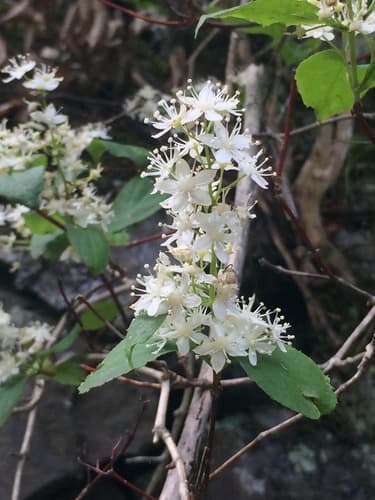
Image: roxplants (cc-by-nc)
NameBlack Horehound
Scientific NameBallota nigra
Common NamesBlack Horehound, Black Stinking Horehound, Horehound, Stinking Horehound
Plant FamilyLamiaceae
Natural HabitatNative to Europe, North Africa, and Western Asia, Black Horehound commonly grows in disturbed ground, hedgerows, roadsides, waste places, and woodland edges. It thrives in nitrogen-rich soils.
Parts Usedleaf,flower
Medicinal Actionsnervine, sedative, anti-inflammatory, antimicrobial
Traditional UsesTraditionally, Black Horehound has been used as a nervine to calm the nervous system, addressing anxiety, nervous tension, and insomnia. It is particularly valued for its anti-emetic properties, helping to alleviate nausea and vomiting, especially when associated with nervous conditions or motion sickness. Historically, it was also employed for coughs and colds.
Active ConstituentsMarrubiin, Ballotenol, Verbascoside, Flavonoids, Volatile oils
Preparation Methodsinfusion, tincture, powder
Contraindications & WarningsGenerally considered safe in moderate doses, but large doses may induce nausea or vomiting. It is not recommended for use during pregnancy or breastfeeding due to insufficient safety data. May interact with sedative medications.
Cultivation NotesBlack Horehound is easily grown from seed or cuttings in well-drained, nitrogen-rich soil. It prefers full sun to partial shade and is a hardy plant, though it can become somewhat invasive if not managed.
Raritycommon
Description
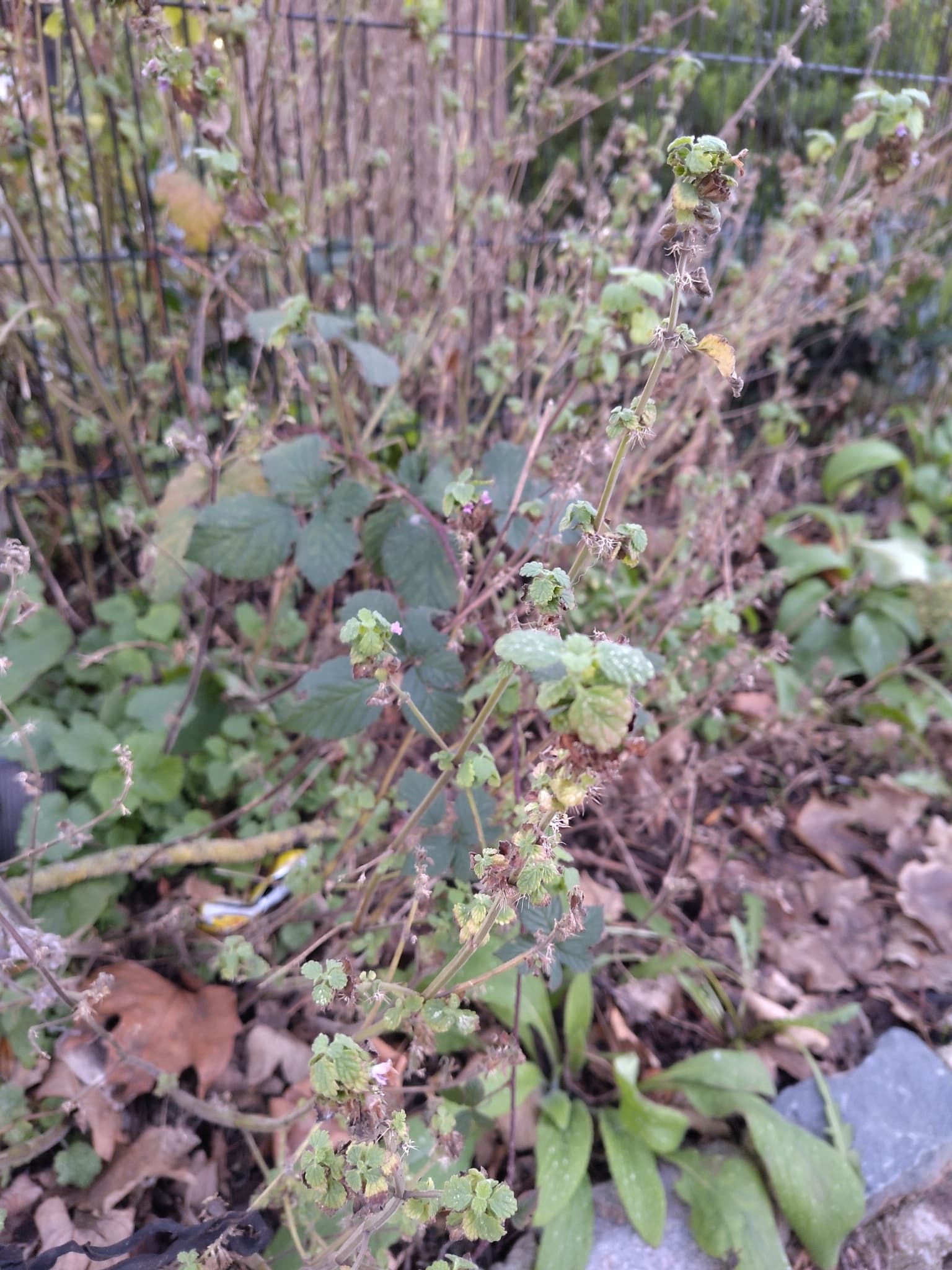
Black Horehound is a herbaceous perennial plant characterized by its square, hairy stems and opposite, ovate to cordate, wrinkled leaves. It produces whorls of small, purplish-pink flowers in the leaf axils, often emitting a somewhat unpleasant odor when crushed. The plant typically grows to 30-90 cm tall.