Artemisia (Sweet Annie)
NameArtemisia (Sweet Annie)
Scientific NameArtemisia annua
Common NamesSweet Annie, Sweet Wormwood, Annual Wormwood, Qinghao
Plant FamilyAsteraceae
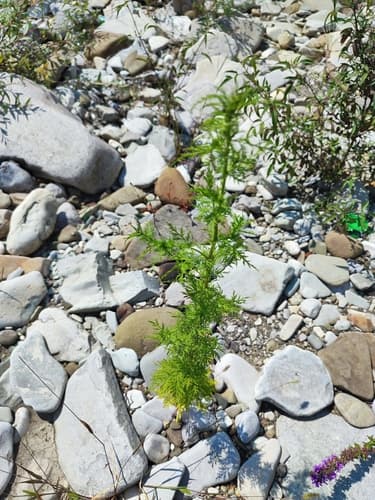
Natural HabitatNative to temperate Asia, but widely naturalized in disturbed areas, roadsides, waste places, and riverbanks across many parts of the world. It prefers full sun and well-drained soil.
Parts Usedleaf,flower,whole_plant
Medicinal Actionsantimicrobial, anti-inflammatory, antioxidant
Traditional UsesTraditionally used in Chinese medicine (Qinghao) for treating fevers, malaria, and various inflammatory conditions. It has also been employed for digestive issues and as an antimicrobial agent against parasites.
Active ConstituentsArtemisinin, Artemisinic acid, Camphor, Pinene, Cineole, Flavonoids
Preparation Methodsinfusion, decoction, tincture, powder, essential oil
Contraindications & WarningsNot recommended for pregnant or breastfeeding women. May cause allergic reactions in sensitive individuals, especially those allergic to other plants in the Asteraceae family. High doses or prolonged use may cause neurotoxicity. Interacts with some medications, including antimalarial drugs.
Cultivation NotesGrows best in full sun and well-drained soil. It is an annual plant that readily self-seeds. Can be started from seed indoors and transplanted after the last frost. Requires moderate watering.
Raritycommon
Description
An annual herbaceous plant growing up to 2 meters tall, characterized by highly aromatic, finely dissected, fern-like leaves. It produces small, yellowish-green flower heads in loose panicles.