Andean Dodder
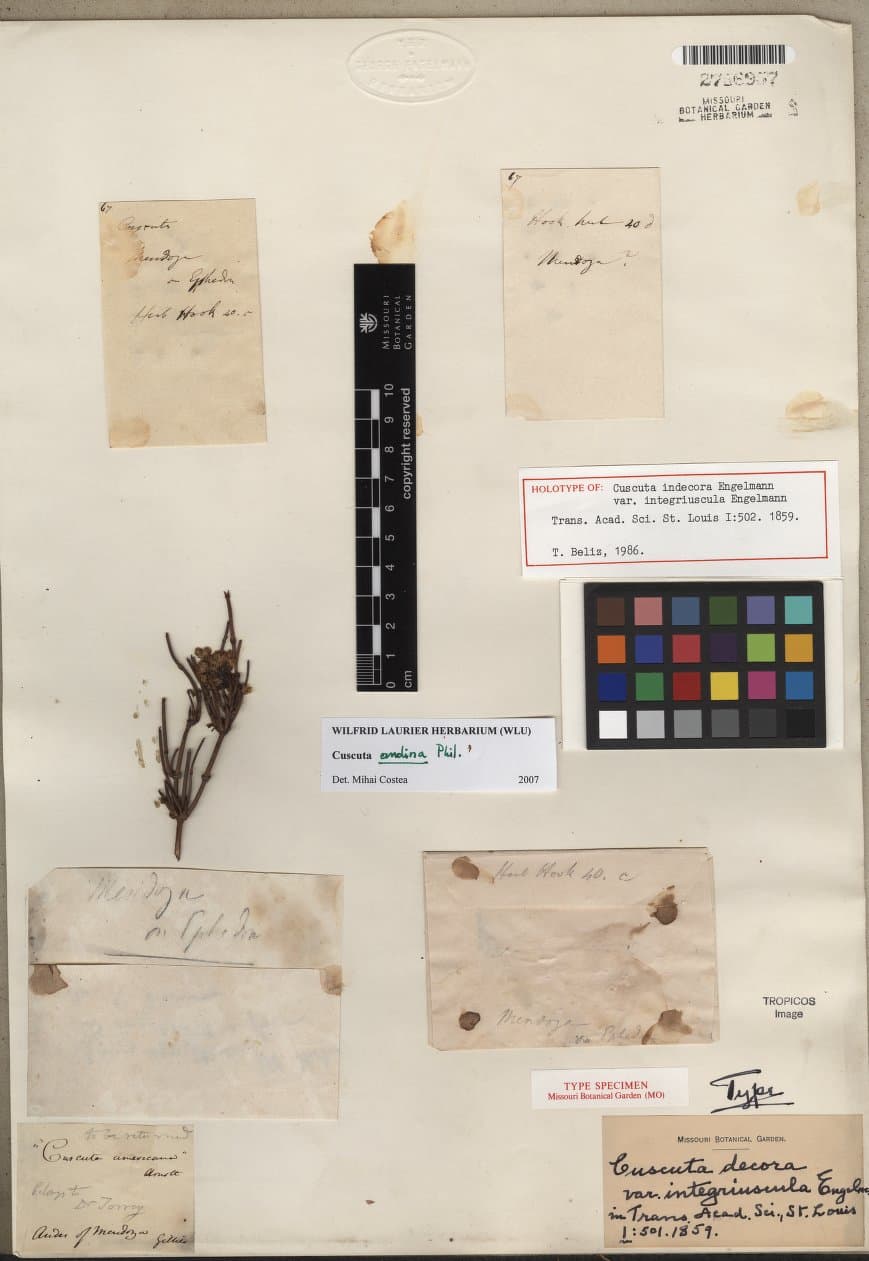
Image: MBG (cc-by-nc)
NameAndean Dodder
Scientific NameCuscuta andina
Common NamesDodder, Andean Dodder
Plant FamilyConvolvulaceae
Natural HabitatNative to the Andean regions of South America, where it is an obligate parasite on various herbaceous and woody plants.
Parts Usedwhole_plant,seed
Medicinal Actionsantioxidant, anti-inflammatory, adaptogen
Traditional UsesTraditionally, species of Cuscuta, including those found in the Andes, have been used as a general tonic, for liver and kidney support, to improve vision, and to enhance reproductive health, particularly for male fertility. It is also used for its purported anti-inflammatory and antioxidant properties.
Active Constituentsflavonoids, lignans, coumarins, polysaccharides
Preparation Methodsinfusion, decoction, tincture, powder
Contraindications & WarningsPregnant or lactating women should avoid use. Due to its parasitic nature, the chemical composition of Cuscuta can vary depending on the host plant, potentially leading to variable effects or interactions. Individuals with specific medical conditions or those taking medications should consult a healthcare professional before use.
Cultivation NotesAs an obligate parasitic plant, Cuscuta andina cannot be cultivated independently. It requires a suitable host plant for germination and growth, making its cultivation for medicinal purposes highly specialized and uncommon. It is not typically grown as a garden herb.
Rarityuncommon
Description
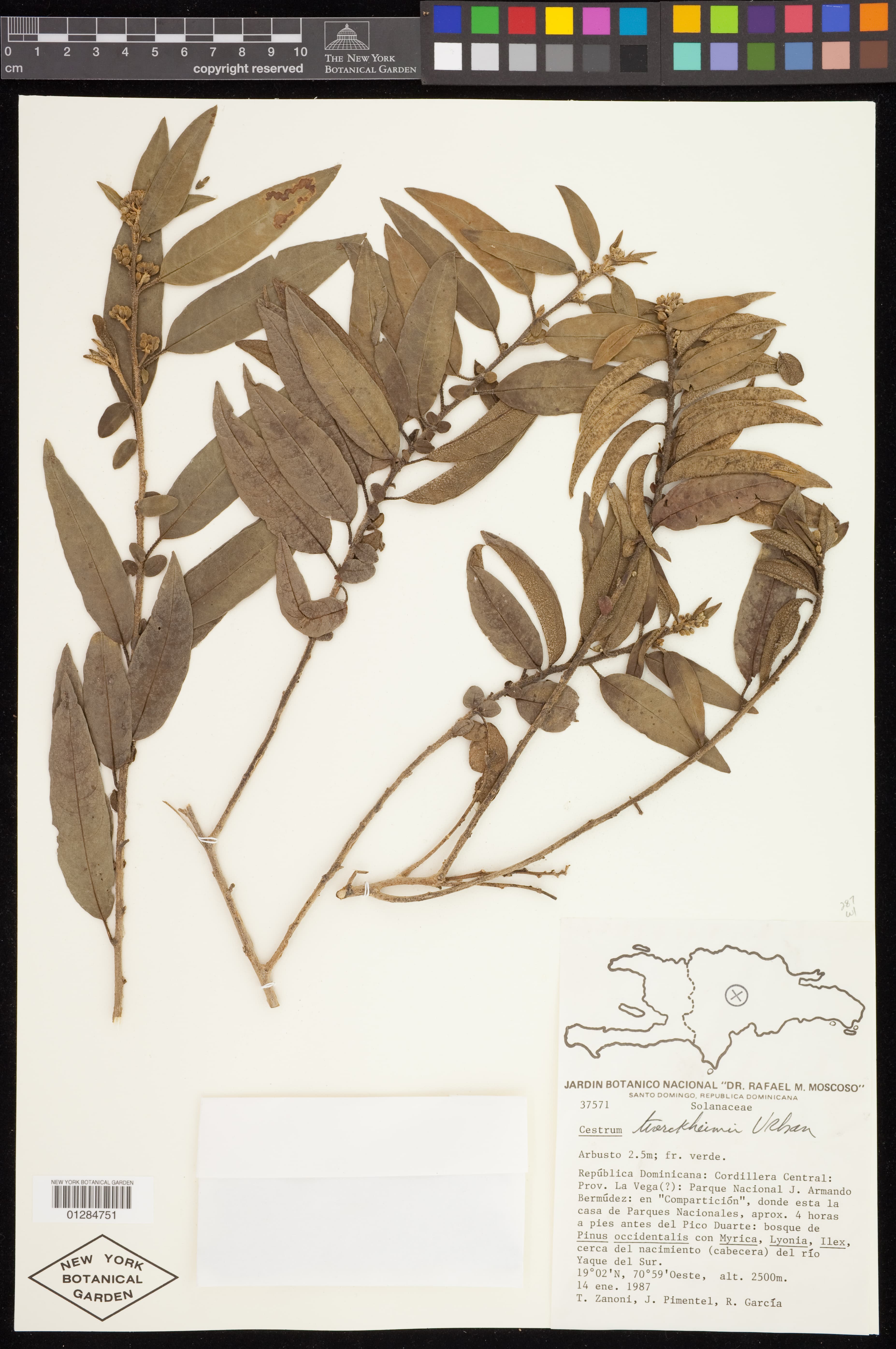
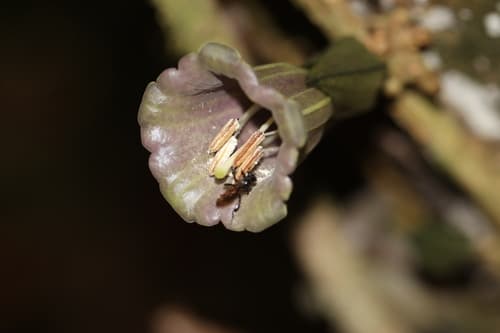
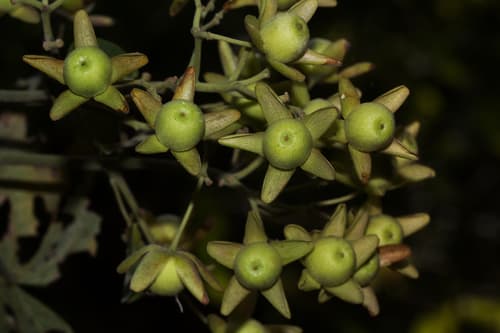
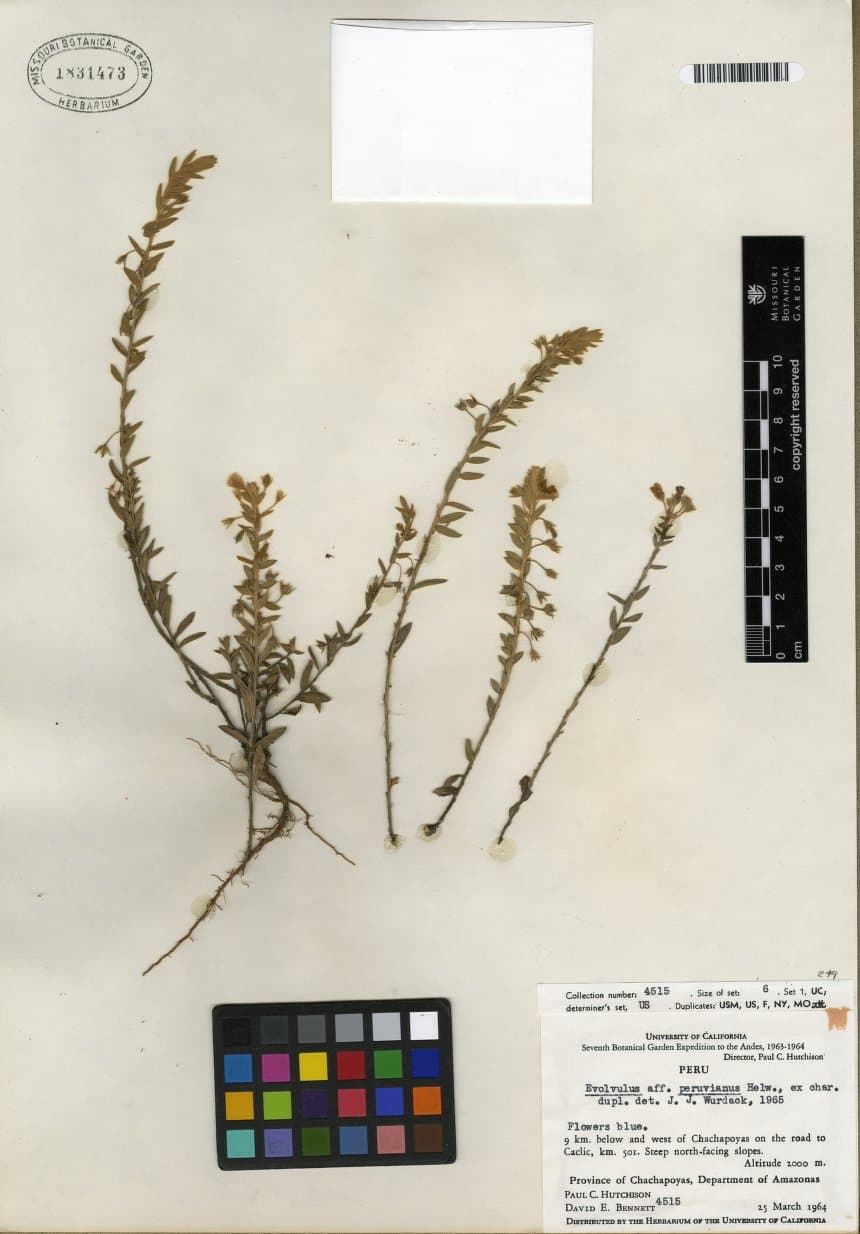
Cuscuta andina is a parasitic vine characterized by its slender, twining, yellowish to reddish stems that lack true leaves. It produces small, clustered, often whitish or cream-colored flowers. The plant attaches to host plants via specialized structures called haustoria.