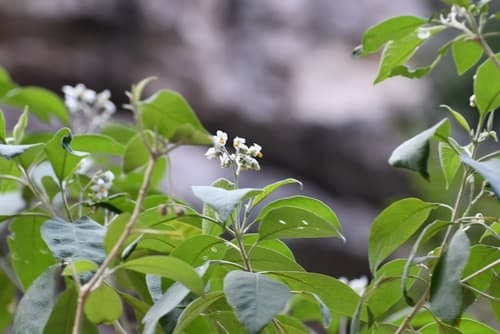
Alamo vine
NameAlamo vine
Scientific NameMerremia dissecta
Common NamesAlamo vine, Noyau Vine, Wood Rose
Plant FamilyConvolvulaceae
Natural HabitatNative to tropical and subtropical regions, it thrives in disturbed areas, roadsides, forest edges, and open woodlands. It prefers warm climates and well-drained soils.
Parts Usedleaf,root
Medicinal Actionsanti-inflammatory, antimicrobial, analgesic
Traditional UsesTraditionally, the leaves of Alamo vine are used topically as a poultice or wash for wounds, skin infections, and to reduce inflammation. In some folk medicine systems, it has been used internally for fevers or as a purgative, though such internal use requires caution.
Active ConstituentsFlavonoids, Tannins, Phenolic compounds
Preparation Methodsinfusion, decoction, poultice, salve
Contraindications & WarningsInternal use of Alamo vine should be approached with caution due to potential purgative effects and the presence of alkaloids, which can be toxic or psychoactive in related species. Pregnant or breastfeeding women should avoid its use.
Cultivation NotesThis vine is easily grown from seed or cuttings and prefers full sun to partial shade with well-drained soil. It is a vigorous grower and can be considered invasive in some regions due to its rapid spread.
Raritycommon
Description
Alamo vine is a vigorous, perennial climbing vine characterized by deeply dissected, palmate leaves and showy white, trumpet-shaped flowers with a distinctive purplish-pink throat. It produces spiky, globular seed capsules that resemble a woody rose when dry.